


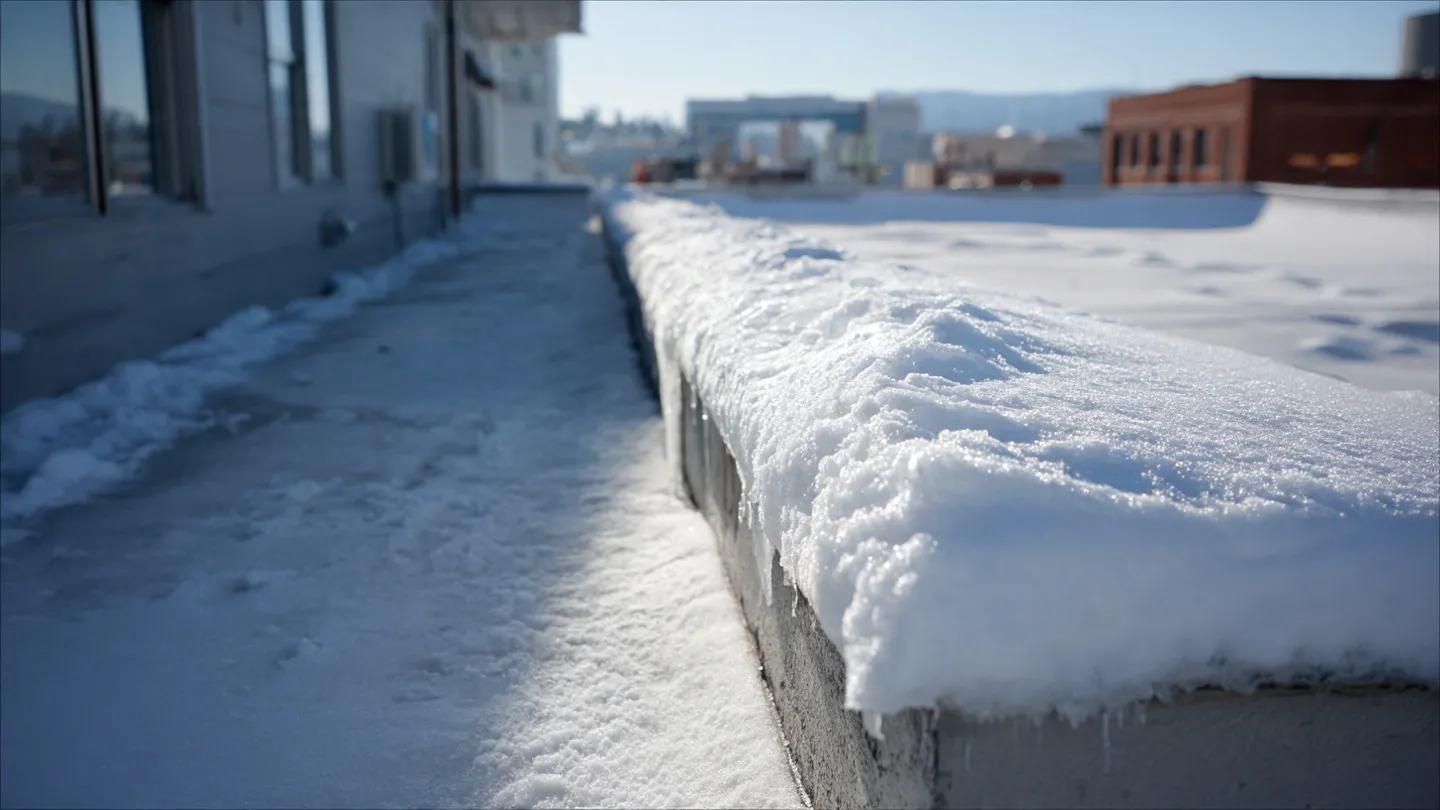
Winter in the city often paints a picturesque scene. Snow dusting the brownstones, lights twinkling in apartment windows, and a quiet hush falling over busy streets. But beneath that charming white blanket lies a significant threat to your home’s structural integrity.
Extreme cold, heavy snow loads, and the relentless cycle of freezing and thawing act as a stress test for every building material, from your roof shingles to your basement foundation. For urban homeowners—whose properties are often older or attached to neighbours—the stakes are particularly high. Ignoring the warning signs of winter wear and tear can lead to costly repairs come spring.
Understanding how cold weather impacts your home is the first step toward protecting it. By taking proactive measures now, you can ensure your property remains a safe, warm, and structurally sound sanctuary throughout the coldest months.
The Weight of Winter: Roof Strain and Snow Load
One of the most immediate dangers winter poses is the sheer weight of accumulated snow and ice. While modern building codes account for snow loads, many city homes are historic structures built decades, if not a century, ago.
The shape of your roof plays a major role here. Many urban homes feature flat or low-slope roofs. Unlike pitched suburban roofs that encourage snow to slide off, flat roofs hold onto it.
A cubic foot of fresh, fluffy snow weighs about three pounds, but wet, heavy snow can weigh up to 20 pounds per cubic foot. If a storm dumps two feet of wet snow on your roof, the structural stress is immense.
Signs that your roof is under too much stress include:
- Interior doors that suddenly stick or won’t close.
- New cracks appearing in the drywall or plaster, especially near corners.
- Audible creaking or popping noises coming from the ceiling.
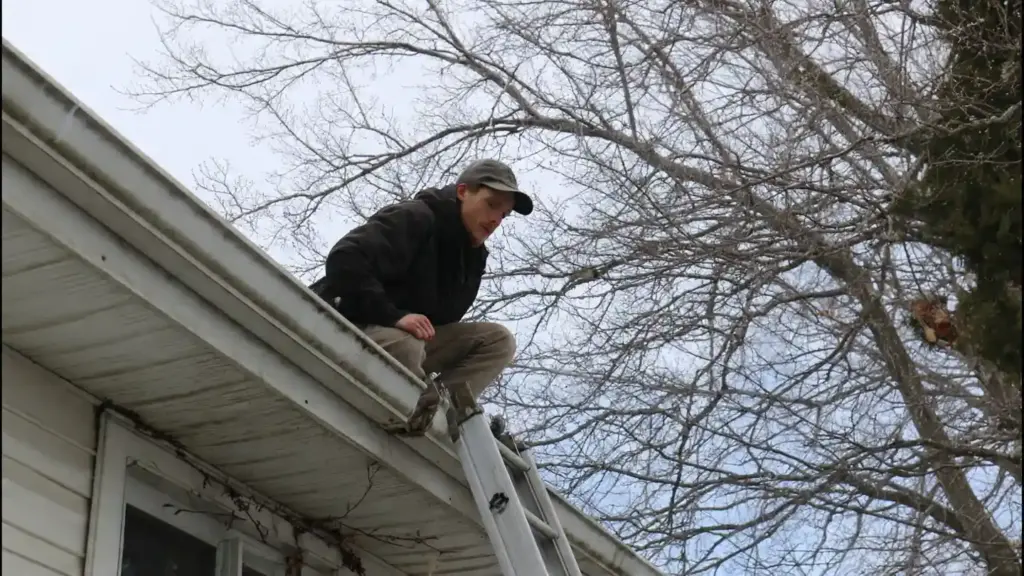
To mitigate this, ensure your roof drainage systems (gutters, scuppers, and downspouts) are completely clear before the first flake falls. If snow accumulates significantly, consider hiring a professional to remove it. Attempting to shovel a roof yourself is dangerous and can damage the roofing material if done incorrectly.
The Menace of Ice Dams
Perhaps the most notorious winter villain is the ice dam. This occurs when heat from your home escapes through the attic, warming the roof deck and melting the snow. This meltwater runs down the roof until it reaches the cold eaves, where it refreezes. Over time, this builds a ridge of ice that traps water behind it.
That trapped water has nowhere to go but up and under your shingles, leaking into your attic, ruining insulation, and rotting roof rafters.
The solution lies in proper insulation and ventilation. You want your roof to be the same temperature as the outside air. If you look at best practices from high-snowfall areas, you will find that successful ice dam prevention in Utah and other mountain states relies heavily on keeping the attic cold.
By sealing air leaks into the attic and ensuring soffit and ridge vents are unobstructed, you stop the melt-freeze cycle before it starts.
Masonry and the Freeze-Thaw Cycle
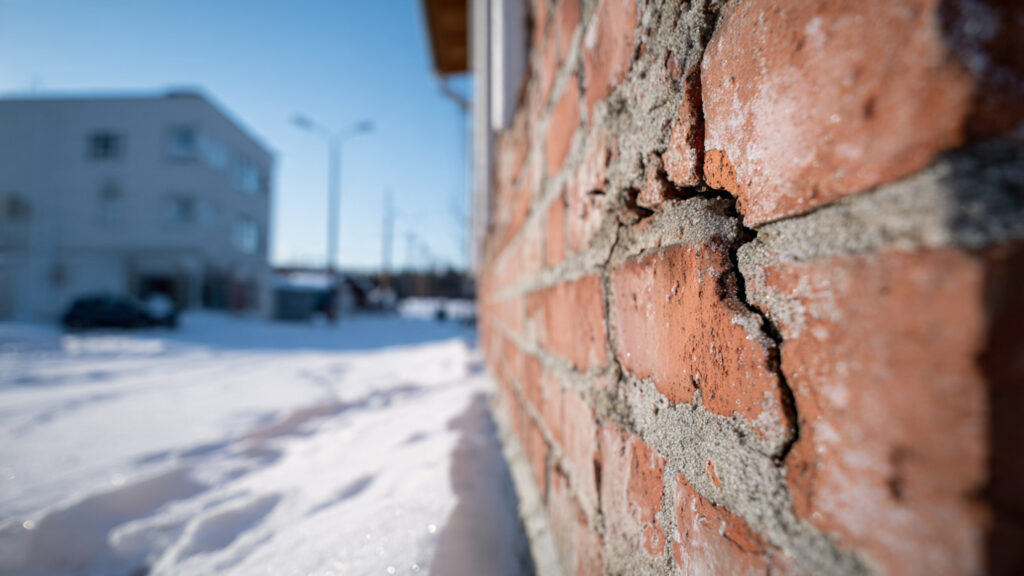
City architecture is famous for its brick and stone masonry. While these materials are durable, they have a kryptonite: water.
Bricks and mortar are porous. When it rains or snow melts, moisture seeps into the tiny capillaries of the masonry. When the temperature drops below freezing, that water expands by about 9%. This expansion exerts tremendous pressure from the inside out.
Over a single winter, this “freeze-thaw” cycle can happen dozens of times. Eventually, it causes “spalling,” where the face of the brick flakes off, or it cracks the mortar joints. Once the surface is compromised, more water gets in, accelerating the damage.
Inspect your exterior walls for:
- Cracks in the mortar (often structured like a staircase).
- Bulging areas in the wall.
- White, powdery deposits (efflorescence), which indicate water is moving through the brick.
If you spot these issues, you may need tuckpointing—a process of removing damaged mortar and replacing it with fresh compound. However, this is best done when temperatures are consistently above freezing, so keeping water away from the wall (via good gutter maintenance) is your best defense during winter.
Foundation Shifts and Pipe Protection
The ground around your home also freezes. As the soil freezes, it expands and lifts, a process known as “frost heave.” If your foundation isn’t below the frost line (which is rare for full basements but common for additions or porches), this heaving can crack the foundation or cause parts of the house to shift.
While you can’t stop the ground from freezing, you can control drainage. Ensure downspouts extend at least five feet away from the foundation. This keeps the soil immediately around your home drier, reducing the expansion caused by freezing water.
Furthermore, structural stress isn’t just about walls and roofs; it’s about the systems inside them. Frozen pipes are a disastrous structural issue. When a pipe bursts, it can pour hundreds of gallons of water into your walls and subfloors, warping wood and compromising the structural frame.
To prevent this:
- Insulate pipes running through unheated spaces like crawl spaces or garages.
- Keep your thermostat set to at least 55°F (13°C), even if you are away.
- Seal cracks in exterior walls near plumbing to prevent cold air from reaching the pipes.
Safeguarding Your Urban Investment
Winter weather is inevitable, but structural damage is not. The charm of living in the city often comes with the responsibility of maintaining older, unique architecture. By keeping your eyes open for the subtle signs of stress—from the roofline to the foundation—you can catch small issues before they become catastrophic failures.
Focus on keeping water moving away from your home and keeping the heat inside where it belongs. A little preventive maintenance now saves you from the stress of emergency repairs in the middle of a blizzard, ensuring your home remains the cozy retreat it was meant to be.