


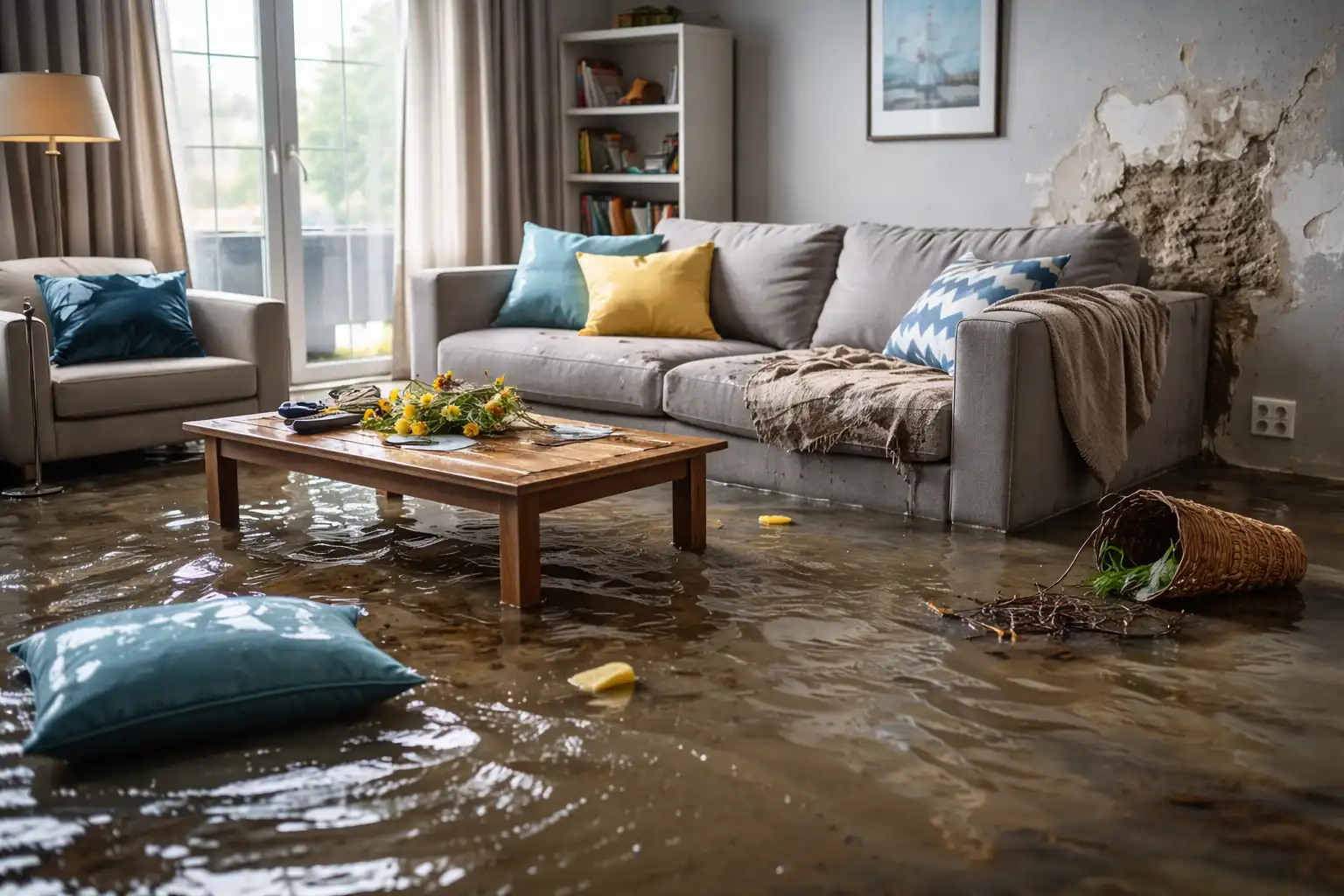
Water damage can strike unexpectedly. Whether caused by a burst pipe, heavy rain, or a natural disaster, flooding can leave lasting damage to your home’s structure, safety, and comfort. It’s more than just wet carpets or warped floors—flooding can impact every layer of your house.
Even after the visible water is gone, homeowners often deal with hidden issues. Understanding the effects of water damage can help you respond quickly and make better decisions about repair and restoration.
Structural Damage Below the Surface
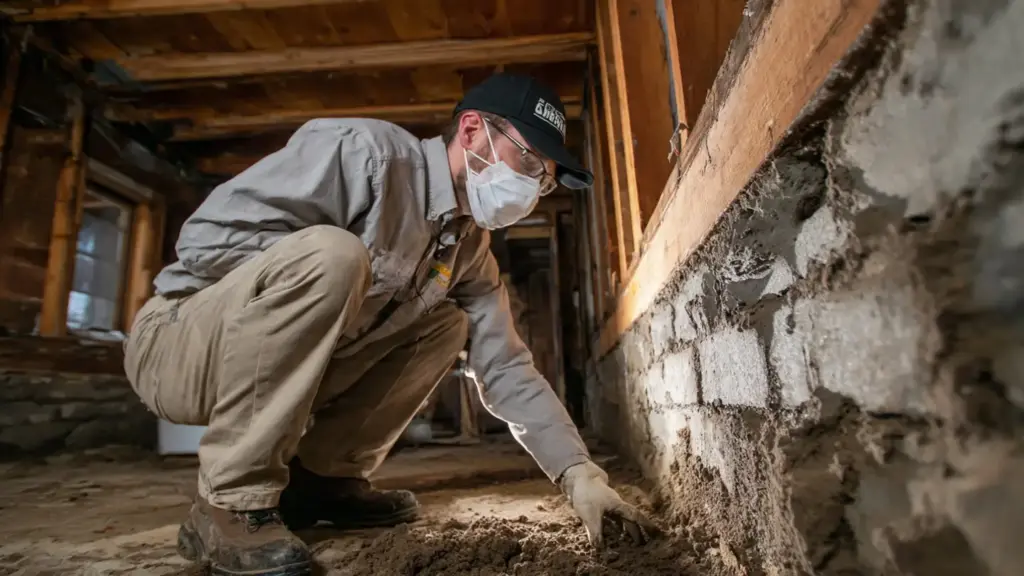
When water enters a home, it quickly seeps into walls, floors, and the foundation. Wood may swell and warp, while drywall can start deteriorating within hours. If the water reaches support beams or subflooring, it could compromise the entire structure.
Left untreated, water damage can lead to cracked walls, uneven floors, or even a weakened foundation. Prompt action is crucial. Flood damage restoration professionals are trained to spot and address structural risks early, helping to prevent long-term issues.
Mold and Mildew Growth
One of the biggest risks after a flood is mold growth. Mold can start forming in just 24–48 hours after water exposure, especially in hidden spots like behind walls or under carpets.
Once mold takes hold, it spreads quickly and can trigger health problems like allergies and respiratory issues, particularly in humid or poorly ventilated areas.
Homes that have flooded need proper drying and dehumidifying. Restoration professionals use specialized tools to detect hidden moisture and stop mold before it becomes a larger health hazard.
Damage to Flooring and Carpets
Different flooring materials respond to water in various ways. Hardwood can swell and cup, laminate may peel, and carpets absorb water deep into their fibers and padding. If not addressed promptly, the damage often requires complete removal of the flooring.
Water can also seep into subflooring, which isn’t always immediately noticeable but can lead to sagging floors or unpleasant odors over time. Effective flood damage restoration in Orem, UT typically involves removing and replacing damaged materials to ensure a safe and comfortable environment.
Electrical and Appliance Hazards
Water and electricity are a dangerous combination. Flooding can damage outlets, wiring, circuit breakers, and appliances, creating fire hazards even after the water recedes. Power should never be restored to a flooded home until a licensed professional has thoroughly inspected the electrical system.
Restoration teams will coordinate with electricians to ensure your home’s wiring is safe and up to code before you move back in.
Hidden Moisture and Long-Term Issues
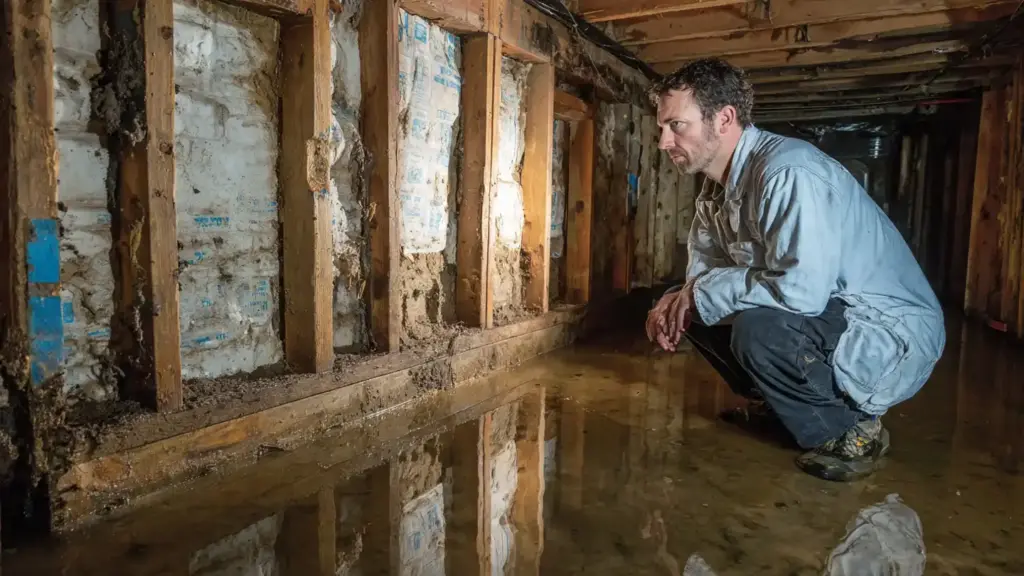
Even after surfaces look dry, moisture can linger in walls, floors, and insulation. This hidden water can lead to foul odors, weakened materials, and mold growth. Flood damage restoration teams use moisture mapping and inspection tools to find and dry every wet area.
They use equipment like dehumidifiers, air movers, and infrared cameras to ensure no moisture is left behind.
Furniture, Personal Belongings, and Sentimental Items
Flood damage goes beyond the structure itself, often affecting upholstered furniture, mattresses, books, photos, and other belongings. While some items can be saved with specialized drying and cleaning techniques, others may need to be discarded.
Restoration professionals can often assess what can be salvaged and what requires replacement. Although material possessions can be replaced, personal items often hold sentimental value, making their preservation a top priority whenever possible.
Insurance and Financial Considerations
Navigating insurance claims after water damage can be overwhelming. Policies often have specific exclusions, especially for weather-related flooding. To ensure a smooth process, it’s crucial to understand your coverage, thoroughly document the damage with photos, and obtain professional assessments.
Flood damage restoration companies can be a valuable resource, often assisting homeowners with the insurance process. Their detailed reports can help expedite your claim and ensure you receive fair compensation.
Why Prompt Restoration Matters
Delaying action after a flood can significantly worsen the damage. A small leak can quickly escalate into structural failure, mold growth, or electrical hazards. Starting the restoration process immediately increases the chances of saving building materials and lowers overall repair costs.
Having a reliable flood damage restoration team on call is one of the best ways to protect your home against long-term issues and expensive repairs.
Conclusion
Flooding impacts more than what’s visible—it can compromise your home’s structure, air quality, and safety. Water damage has far-reaching effects, from immediate destruction to long-term issues. Acting quickly and seeking professional help can make a significant difference.
A reliable flood damage restoration provider can safeguard your home, belongings, and family’s health. Whether it’s from a burst pipe or a sudden storm, understanding the aftermath of water damage helps you take the right steps to recover effectively.