



Owning a vehicle is a major investment, and how well you care for it directly affects its performance, safety, and longevity. Smart drivers know that vehicle maintenance isn’t just about avoiding breakdowns—it’s about saving money, improving fuel efficiency, and ensuring peace of mind on every trip. Whether you drive daily or only occasionally, adopting good habits can make a noticeable difference over time. This guide walks you through essential, easy-to-follow steps to help you take better care of your vehicle.
Stay Consistent With Routine Maintenance
Regular maintenance is the foundation of vehicle care. Oil changes, fluid checks, filter replacements, and scheduled inspections keep your engine running smoothly and prevent small issues from becoming costly repairs. Always follow the manufacturer’s maintenance schedule, as it’s designed specifically for your vehicle’s make and model.
Skipping routine service might save time in the short term, but it often leads to decreased performance and unexpected breakdowns. A well-maintained vehicle runs more efficiently and retains its value longer, making consistency one of the smartest choices a driver can make.
Pay Attention to Your Tires
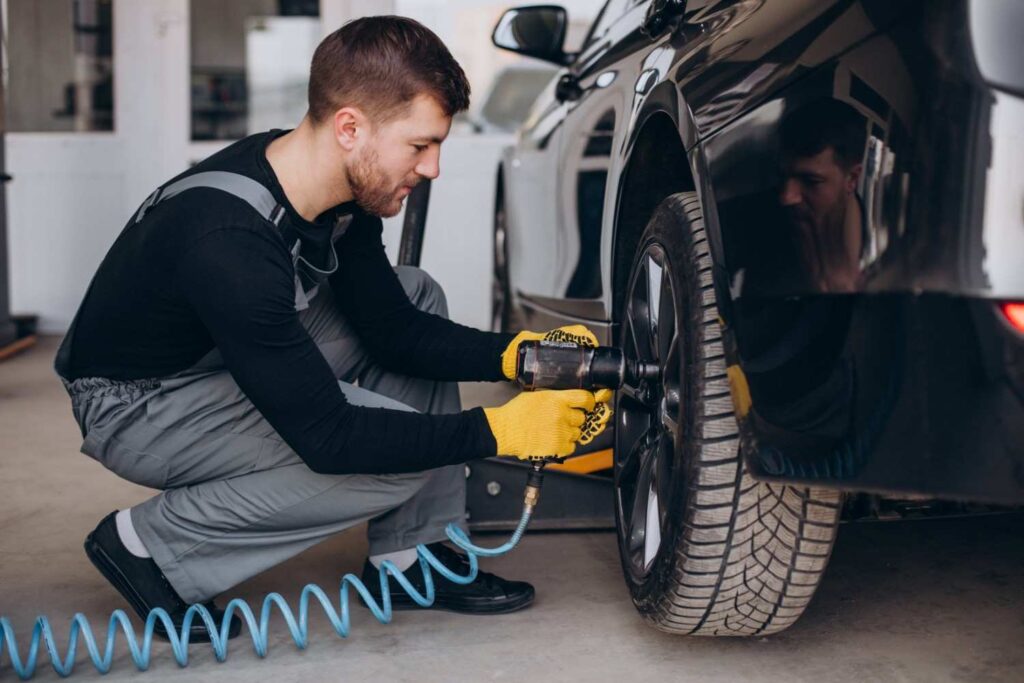
Tires play a crucial role in safety, handling, and fuel efficiency. Check tire pressure at least once a month and before long trips. Underinflated tires wear out faster and reduce gas mileage, while overinflated tires can compromise traction.
Regular tire rotation ensures even wear, extending tire life and improving ride quality. Also, keep an eye on tread depth—worn tires increase stopping distance and are especially dangerous in wet or icy conditions.
Listen to Your Vehicle
Your vehicle often gives warning signs before a problem becomes serious. Unusual noises, vibrations, warning lights, or changes in handling should never be ignored. Addressing issues early can prevent expensive car repairs and reduce the risk of roadside emergencies.
Pay attention to how your vehicle feels when driving. If something seems off, trust your instincts and have it inspected by a professional. Smart drivers understand that early action is always cheaper and safer.
Keep Fluids and Components in Check
Your vehicle relies on several fluids to operate correctly, including engine oil, coolant, brake fluid, transmission fluid, and windshield washer fluid. Low or dirty fluids can cause overheating, poor braking, or engine damage.
Beyond fluids, many components rely on specialized materials and engineered surfaces—sometimes referred to as substrates—to function efficiently under stress and heat. Ensuring everything is clean, properly filled, and in good condition helps your vehicle perform as designed.
Protect the Exterior and Interior
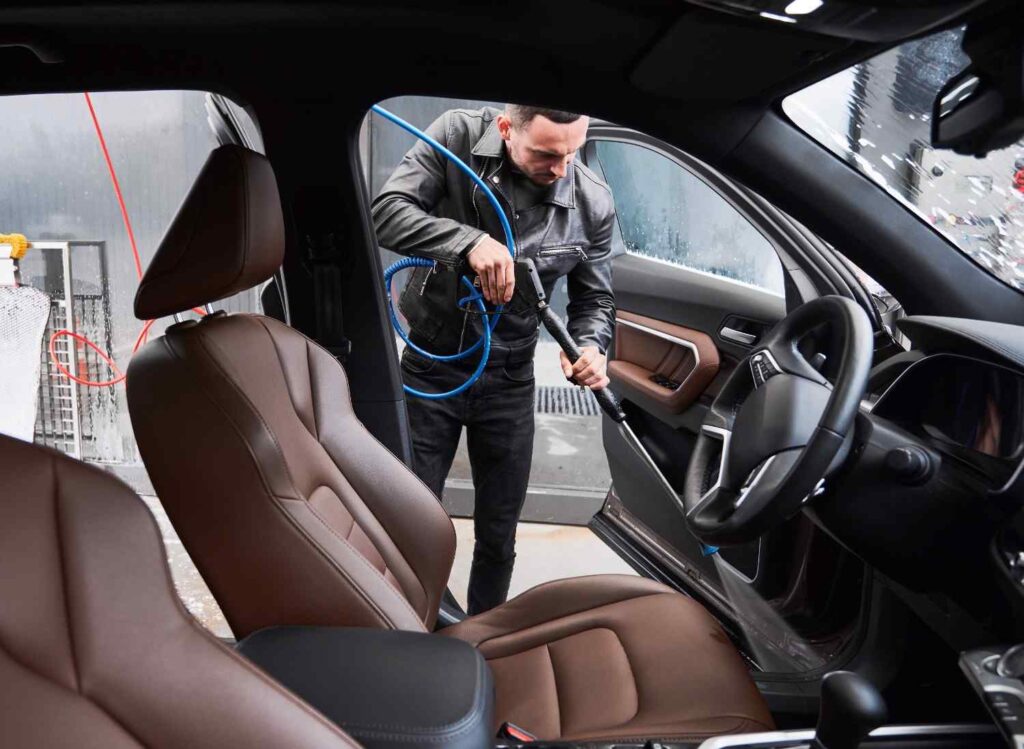
Taking care of your vehicle isn’t only about what’s under the hood. Washing and waxing the exterior protects paint from dirt, road salt, and UV damage, helping prevent rust and fading. Regular cleaning also makes it easier to spot scratches or damage early.
Inside the vehicle, keep the interior clean and protected. Vacuuming carpets, wiping surfaces, and using sunshades can preserve upholstery and dashboards. A clean interior not only feels better but also maintains resale value.
Drive Smarter Every Day
Your driving habits have a direct impact on your vehicle’s health. Aggressive acceleration, hard braking, and speeding increase wear on the engine, brakes, and suspension. Smooth, steady driving reduces stress on components and improves fuel efficiency.
Avoid overloading your vehicle and remove unnecessary items from the trunk. Extra weight forces the engine to work harder, leading to increased fuel consumption and faster wear.
Prepare for Seasonal Changes
Different seasons place different demands on your vehicle. In colder months, check the battery, tires, and antifreeze levels. In warmer weather, ensure the cooling system and air conditioning are working properly.
Seasonal inspections help prevent weather-related breakdowns and ensure your vehicle is ready for changing road conditions. Being proactive keeps you safer and more comfortable year-round.
Keep Records and Plan Ahead

Maintaining a service record helps you track maintenance, anticipate upcoming needs, and prove proper care if you ever sell your vehicle. It also helps mechanics diagnose issues more accurately.
Planning ahead—budgeting for maintenance and scheduling service before problems arise—is a hallmark of a smart driver. It reduces stress, avoids surprises, and keeps your vehicle dependable.
Final Thoughts
Taking care of your vehicle doesn’t require expert knowledge—just attention, consistency, and smart habits. By staying proactive and treating maintenance as a priority, you’ll enjoy better performance, fewer repairs, and a safer, more reliable ride for years to come.