

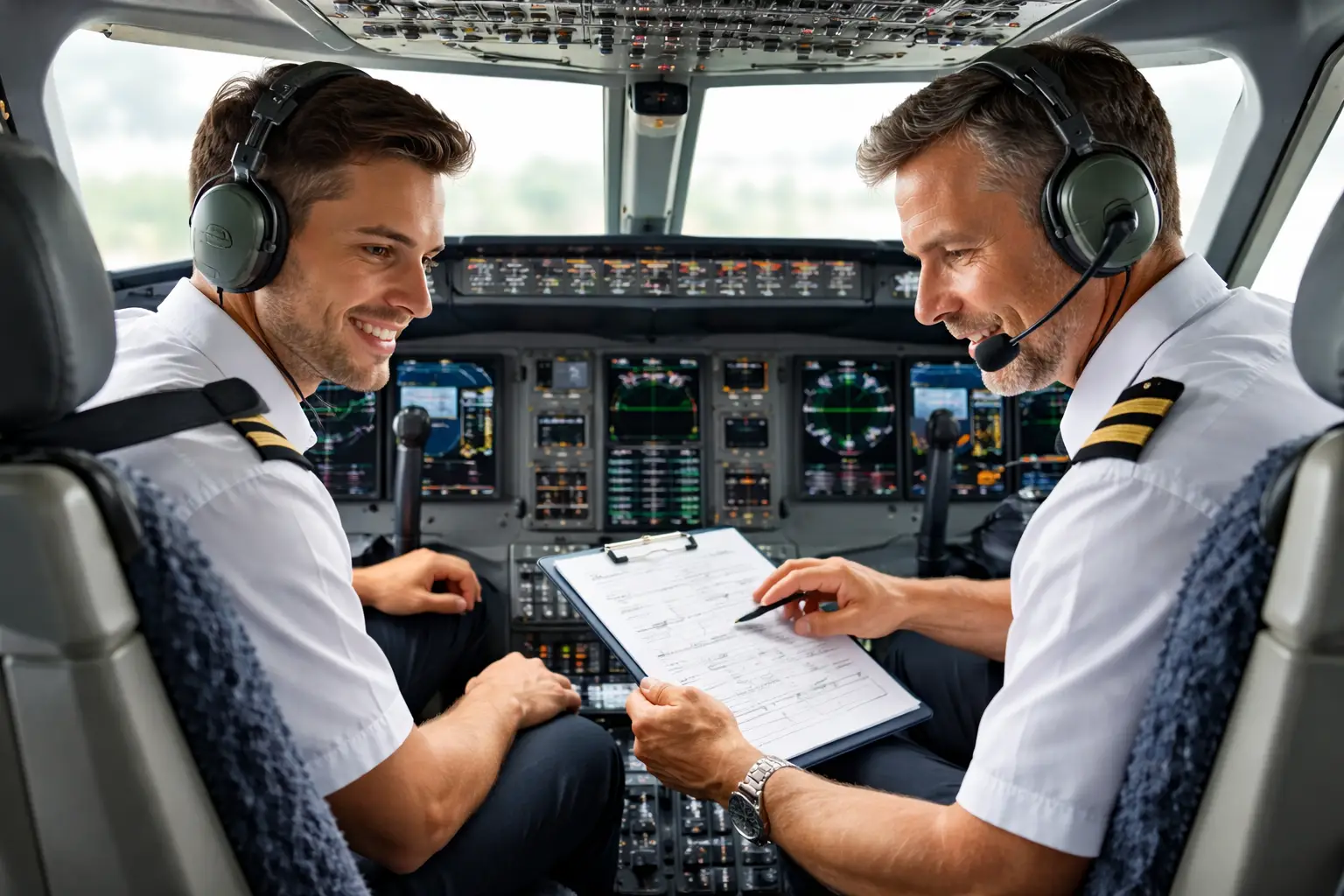
The idea of commanding a large aircraft and traversing the globe appeals to many adventure seekers. While the view from the cockpit is unmatched, the journey to the captain’s seat requires dedication, technical skill, and significant training.
Commercial pilots shoulder immense responsibility for passenger safety, meaning the certification process is rigorous and demanding.
This guide outlines the steps required to turn a passion for aviation into a professional career. It covers the necessary certifications, the skills you need to develop, and the reality of life during training.
Understanding the Basics of Licensure
Before flying for an airline or cargo carrier, a pilot must obtain several licenses. It is a stepping-stone process where each certification builds upon the previous one.
Private Pilot License (PPL)
The first major milestone is the Private Pilot License. This stage focuses on the fundamentals of flight. Students learn aircraft controls, navigation, weather interpretation, and emergency procedures.
With a PPL, you can fly solo or with passengers, but you cannot yet be paid for your services. It serves as the foundation for all future advanced training.
Instrument Rating (IR)
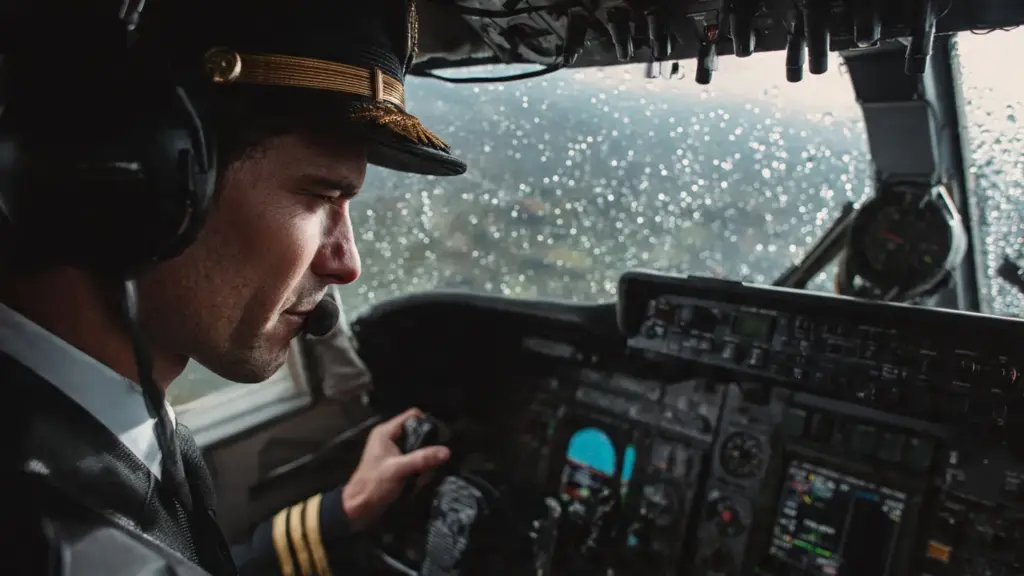
Flying is not always done under clear blue skies. An Instrument Rating authorizes a pilot to fly in clouds or low visibility solely by reference to the aircraft’s instruments. This rating is critical for professional pilots who must adhere to strict schedules regardless of weather conditions.
Commercial Pilot License (CPL)
This is the credential that allows a pilot to be compensated for flying. The training for a CPL demands a higher level of precision and mastery than the private license. Maneuvers must be executed within tighter tolerances, and the student must demonstrate a professional command of the aircraft.
Accumulating Flight Hours
Earning a Commercial Pilot License is a major achievement, but it does not immediately qualify a pilot for the airlines. Most major carriers require an Airline Transport Pilot (ATP) certificate, which typically mandates 1,500 hours of total flight time.
Bridging the gap between the roughly 250 hours earned during commercial training and the 1,500 hours needed for an ATP is a significant phase in a pilot’s career. Many new commercial pilots build these hours by working as flight instructors.
This path allows them to log hours while reinforcing their own knowledge by teaching others. Other options for building time include pipeline patrol, aerial surveying, or banner towing.
Critical Skills for Success
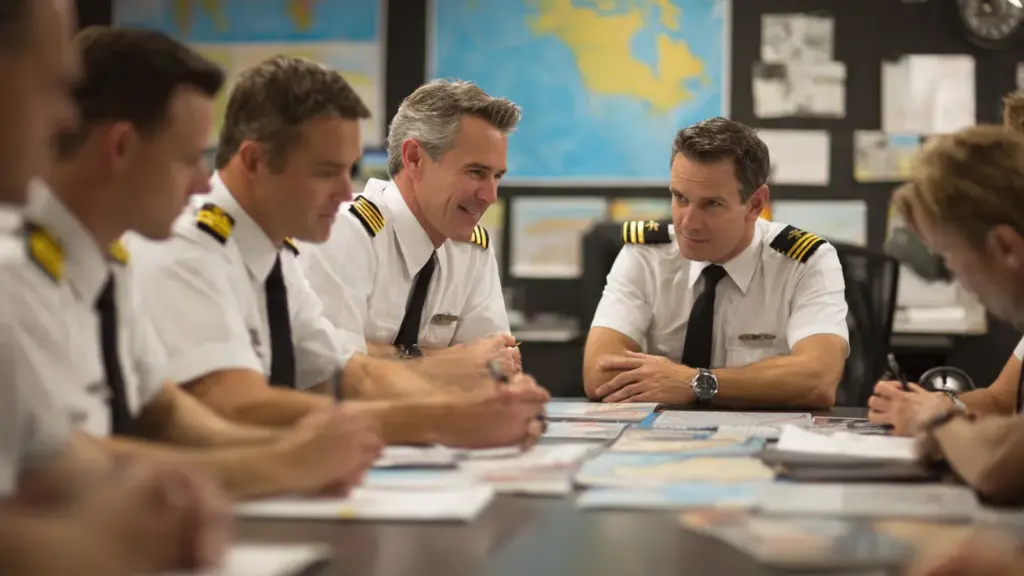
Technical proficiency is only one part of the equation. Successful commercial pilots also possess specific soft skills that ensure safety and efficiency on the flight deck.
Situational Awareness
A pilot must always know what the aircraft is doing, where it is, and what will happen next. Losing track of these factors can lead to dangerous situations. Training emphasizes the constant scanning of instruments and the environment to maintain a complete mental picture of the flight.
Decision Making
Aviation requires quick, accurate decisions under pressure. Whether dealing with a mechanical issue or rapidly changing weather, a pilot must analyze the situation and choose the safest course of action without hesitation.
Communication
Modern cockpits rely on crew resource management (CRM). This concept focuses on effective communication between the captain and first officer. Clear, concise dialogue ensures that both pilots are aware of the flight status and can catch potential errors before they become problems.
The Physical and Mental Demands
Training is not just about learning to manipulate the controls. It also tests physical and mental endurance.
Students must pass medical examinations to ensure they are fit to fly. These exams check vision, hearing, and overall health. Mentally, the volume of information can be overwhelming. Ground school covers aerodynamics, aircraft systems, meteorology, regulations, and navigation.
Students spend hours studying charts and manuals outside of the cockpit.
Choosing the Right Path
Prospective pilots have different routes to achieve their goals. Some choose university programs that combine a degree with flight training. Others prefer accelerated programs designed to get students from zero experience to commercial certification in a shorter timeframe.
Location can play a role in training efficiency. Weather patterns, airspace complexity, and school availability vary by region. For instance, a student might research an aviation school in Dallas to take advantage of favorable flying weather and a robust aviation community.
Selecting a training environment that matches your learning style and budget is crucial for completing the program successfully.
Conclusion
Becoming a professional pilot involves a significant investment of time, effort, and resources. From the first solo flight to the final check ride for an ATP certificate, the process is designed to filter for the most disciplined and skilled individuals.
For those who persevere, the result is a rewarding career with the world as their office. The path is steep, but the view from the top is worth the climb.